

Customs and Import Handling for Goods Entering France
How customs and import handling works for goods entering France: duties, import VAT, the 2026 parcel rules, and who pays. A guide for e-commerce and B2B.
By The Juvo team — 11 August 2026
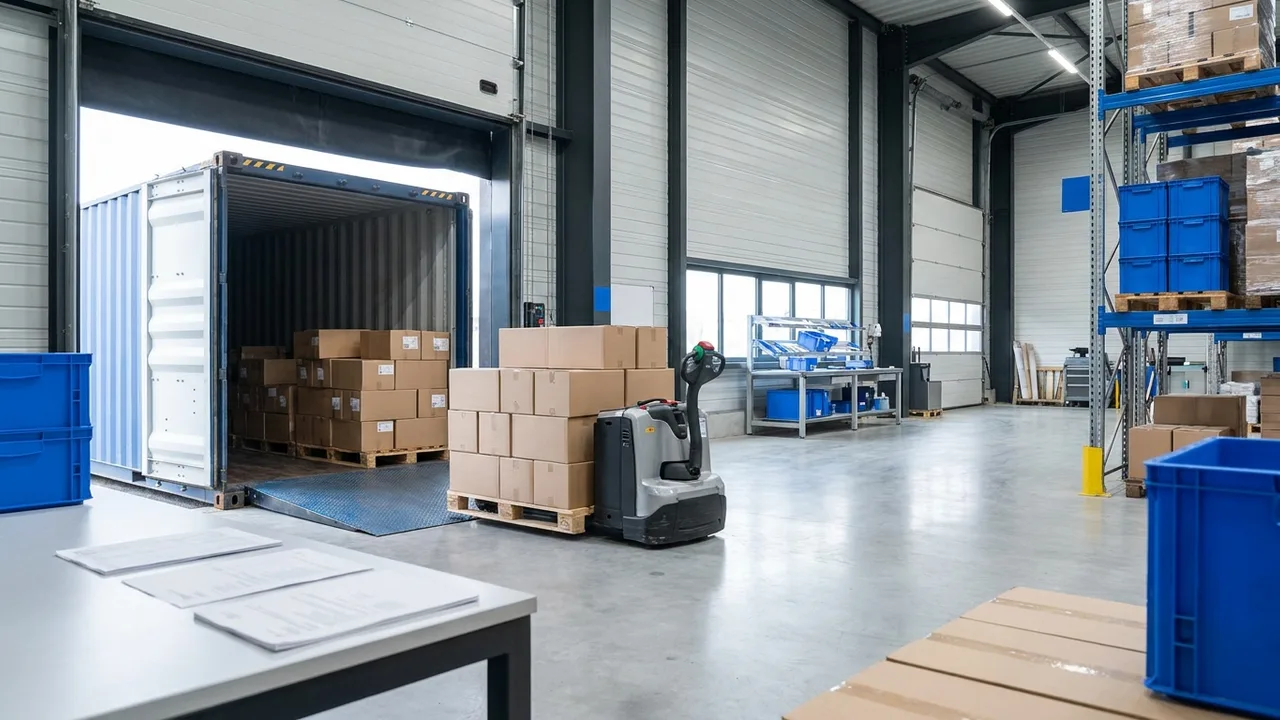
TL;DR: Bringing goods into France from outside the EU means dealing with customs: the import declaration, any duties, and import VAT. The rules changed on 1 July 2026, when the EU removed its longstanding duty exemption for low-value parcels. This guide explains what customs and import handling covers for e-commerce sellers and B2B importers, who pays what, and where a French 3PL fits once your goods have cleared.
If you sell into France from outside the European Union, customs and import handling sits between your supplier and your first sale. Every parcel and pallet has to be declared, classified, and cleared before it can move on to a customer. For years, small parcels slipped through with little friction. That ended on 1 July 2026, when the EU scrapped the rule that let low-value parcels enter duty-free. The change touches e-commerce brands and business importers alike. Here’s what customs handling involves, what shifted in 2026, and how the pieces fit together once goods land in France.
What does customs and import handling actually cover?
Customs and import handling is the set of steps that let goods enter France legally from outside the EU: filing an import declaration, classifying the goods under a commodity code, paying any customs duties, and settling import VAT. It applies whether you ship single parcels to shoppers or full pallets to business buyers.
Each of those steps has to happen before customs releases the goods. The declaration tells the authorities what’s arriving and what it’s worth. The commodity code, drawn from the EU tariff, sets the duty rate. Duties and import VAT are then calculated on that basis. Only once everything is settled can the goods leave the border for your warehouse. Miss a detail and shipments sit blocked, which is why regular importers build this into their process.
What changed for low-value parcels in 2026?
On 1 July 2026, the EU removed the old rule that let parcels worth 150 euros or less enter duty-free. In its place, a temporary flat customs duty of 3 euros per item now applies, and it will run until the EU Customs Data Hub arrives around mid-2028.
The flat rate was set by Council Regulation (EU) 2026/382, and “low value” is judged on the goods alone, not shipping or insurance. This hits e-commerce hardest. Brands selling accessories, spare parts, or low-price bundles can watch a profitable order turn into a margin problem, since VAT still applies from the first euro, often on the value plus the new duty. Business importers feel it less, since bulk shipments above 150 euros were always dutiable. From 2028, the flat rate is expected to give way to full tariff-based duties.
How is import VAT paid in France?
Since January 2022, import VAT in France has been reverse-charged automatically. Instead of paying it at the border, a business with a French VAT number declares it on the CA3 return as both due and deductible, so there’s no cash advance at customs.
This is a real cash-flow advantage, and it’s one reason France is a practical entry point for goods heading into the EU. The catch is that you need to be registered for French VAT and set up correctly as the importer, since paying import VAT at customs is no longer an option for businesses. Customs duty is separate from VAT and still settles on the import declaration. Both duty and import VAT feed into the full landed cost of your goods.
Who pays the duty, you or your customer?
It depends on the Incoterm. Under DAP (Delivered at Place), your customer is the importer of record and pays the import duty and VAT. Under DDP (Delivered Duty Paid), you take that on and deliver the goods duty-paid, with clearance handled on your side.
The choice shapes both cost and customer experience. DDP gives a smoother arrival, since nothing extra is asked of the buyer at the door, but it means you carry the clearance and the duty risk in a country whose rules you may not know well. DAP is simpler for you to arrange, though it can leave an e-commerce shopper facing a surprise charge on delivery, or a business buyer suddenly named as importer of record. Incoterms 2020 remain the current standard, and the right term depends on who is best placed to manage clearance. We go into it properly in our customs clearance and DDP guide.
Where does a 3PL fit in your import flow?
A French 3PL is not your customs broker. Its job starts once your goods have cleared and reached the warehouse. From there, the work is booking stock in accurately at receiving, storing it, and picking, packing, and shipping every order that follows.
Getting that domestic side right is what turns a cleared import into orders that reach people on time. For sellers of technical products and spare parts, where catalogues run deep and every reference has to be identified correctly, clean handling after import matters as much as the clearance itself. Juvo handles the e-commerce fulfilment, storage and stock management and returns side across a French warehouse network, with a real-time client portal so you can see stock and orders at any moment. Customs gets your goods into the country; a 3PL gets them to your customers.
In short
Three things to take away. First, the low-value parcel exemption is gone as of July 2026, so factor the flat duty into your pricing. Second, import VAT in France is reverse-charged, which helps cash flow but needs proper VAT registration. Third, your Incoterm decides who clears the goods and pays the duty, so choose it deliberately. Once your imports have cleared, that’s where a fulfilment partner takes over. Talk to Juvo about the French fulfilment side of your import flow.
Frequently Asked Questions
What is customs clearance? Customs clearance is the process of getting imported goods approved to enter a country. It covers the import declaration, classifying the goods, and settling any duties and import VAT. Once everything is paid and checked, customs releases the goods so they can continue to their destination.
Do I have to pay customs duty on parcels under 150 euros in 2026? Yes. Since 1 July 2026, the EU has charged a temporary flat customs duty of 3 euros per item on low-value parcels that used to enter duty-free. The old 150 euro exemption has been removed, and full tariff-based duties are expected from around 2028.
How is import VAT paid when importing into France? Since January 2022, import VAT in France is reverse-charged automatically. A business with a French VAT number declares it on its CA3 return as both due and deductible, so there is no need to pay it upfront at customs. This improves cash flow but requires French VAT registration.
What is the difference between DAP and DDP? Both are Incoterms 2020 delivery terms. Under DAP, the buyer is the importer of record and pays import duty and VAT. Under DDP, the seller takes on clearance and duties and delivers the goods duty-paid. The choice affects cost, risk, and the customer’s experience at delivery.
Does a 3PL handle customs clearance for me? Not usually. A fulfilment 3PL like Juvo takes over once your goods have cleared customs, handling receiving, storage, and order fulfilment. Customs clearance itself is arranged through you, your carrier, or a customs broker, depending on your Incoterm and setup.