

Customs Clearance and DDP: How Goods Get Released into France
How customs clearance works when importing into France: the EORI number, the H1 declaration, and what DAP and DDP mean for who clears your goods.
By The Juvo team — 11 August 2026
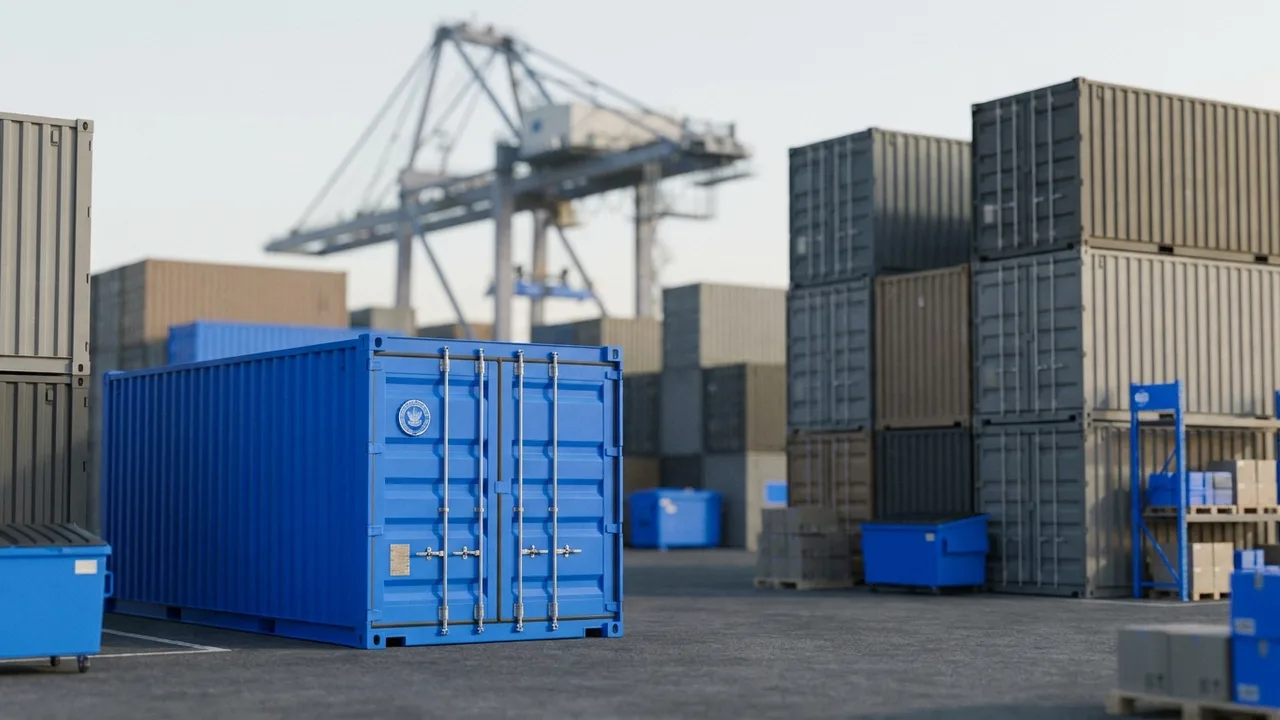
TL;DR: Customs clearance is the process that gets your imported goods approved and released into France. You need an EORI number, an import declaration, and the right documents, and someone has to be named as responsible for it all. Your choice of delivery term, DAP or DDP, decides whether that someone is you or your customer. This guide walks through both, for e-commerce sellers and B2B importers.
Customs clearance is the step that turns a shipment stuck at the border into stock you can actually sell. Every consignment from outside the EU has to be declared and approved before it moves on. Miss a document or name the wrong party as responsible, and goods sit blocked while costs climb. The process itself is fairly fixed. What changes from one business to the next is who handles it, and that comes down to a single choice in your delivery terms. Here’s how clearance works in France and how to decide who owns it, whether you ship parcels to shoppers or pallets to trade buyers.
What do you need to clear customs in France?
To clear goods into France you need three things: an EORI number, an import declaration, and a set of supporting documents. The EORI number is mandatory for any customs operation in the EU, and without it you cannot file a declaration at all.
The EORI (Economic Operators Registration and Identification number) is free and comes from French customs through the douane.gouv.fr portal. In France it’s now built on your SIREN company number. The declaration itself is filed electronically: France moved to the DELTA-IE system in late 2025, replacing the old paper-style form with the digital H1 import declaration. Alongside it, customs wants a commercial invoice showing the HS codes and customs value, a transport document, and a packing list. Missing or inaccurate paperwork is one of the most common causes of delay, so this is worth getting right first time.
Who files the declaration, you or an agent?
You have two options for filing. You can clear goods yourself, in-house, if you have an EORI number and access to the DELTA system, or you can appoint a customs representative to do it for you.
Self-clearing gives you control but demands a solid grasp of customs rules, which is why most businesses hand the job to a registered customs representative. This is especially true for companies outside the EU, who often have to appoint a representative established in France. Since January 2026, the older short-term fiscal representation route has closed, so non-EU importers now need their own French VAT registration plus an accredited representative. None of this is your logistics warehouse’s role, and it’s worth knowing the difference before your first shipment lands.
DAP or DDP: who becomes the importer of record?
Your delivery term decides who clears the goods. Under DAP (Delivered at Place), your customer is the importer of record and handles import clearance, duty and VAT. Under DDP (Delivered Duty Paid), you take that on and deliver the goods fully cleared.
The importer of record is the party legally named on the declaration, responsible for correct classification and for paying duty and import VAT. That responsibility carries real weight. With DAP, an e-commerce shopper can face a surprise charge at the door, and a business buyer suddenly finds itself named as importer. With DDP, the buyer gets a clean, all-inclusive delivery, which is why many brands prefer it for cross-border sales. The trade-off is that you carry the clearance work and the risk in a country whose rules you may not know well.
What DDP means for you as the seller
Choosing DDP is not just a shipping label, it’s a commitment. If you deliver DDP into France, you become the importer of record, so you need to be set up with a French VAT number to reverse-charge the import VAT and to clear the goods in your own name.
That means the same EORI, declaration and representation questions from earlier now sit with you rather than your customer. For a growing e-commerce brand shipping into France regularly, that setup can be worth it for the smoother customer experience. For occasional or lower-volume B2B shipments, DAP is often simpler, with the buyer clearing on their side. There’s no universally right answer. The point is to choose the term deliberately, knowing which side of the border the work lands on, and to price the duty and VAT into the deal either way.
Where your 3PL fits once goods are cleared
A fulfilment 3PL isn’t your customs broker. Clearance happens through you or your representative, and only once the goods are released does the warehouse take over: receiving the stock, storing it, and shipping every order that follows.
That handover is where smooth clearance pays off. Cleared stock that arrives with clean paperwork books in faster and starts selling sooner, whether it’s spare parts and technical goods or consumer orders. From there, a partner handles the returns and gives you a real-time view of stock and orders across a French warehouse network. For the full picture of duties, VAT and clearance together, see our customs and import handling guide. And when your goods are cleared and ready, talk to Juvo about the fulfilment side.
Frequently Asked Questions
What documents do I need for customs clearance in France? You need an EORI number, an import declaration filed through the DELTA-IE system, and supporting documents: a commercial invoice showing HS codes and customs value, a transport document, and a packing list. Non-EU importers usually also need a French VAT number and a customs or fiscal representative.
Do I need an EORI number to import into France? Yes. An EORI number is mandatory for any customs operation in the EU, and you cannot file an import declaration without one. In France it’s free and issued by customs through the douane.gouv.fr portal, and it’s now based on your SIREN company number.
What is the difference between DAP and DDP? Both are Incoterms 2020 delivery terms. Under DAP, your customer is the importer of record and handles clearance, duty and VAT. Under DDP, you take on clearance and deliver the goods duty-paid. DDP gives the buyer a smoother arrival but puts the clearance work and risk on you.
Who is the importer of record? The importer of record is the party legally named on the import declaration. They’re responsible for correct tariff classification and for paying customs duty and import VAT. Under DAP that’s usually the buyer; under DDP it’s the seller, who must be VAT-registered in the destination country.
Does my 3PL handle customs clearance for me? Not usually. A fulfilment 3PL like Juvo takes over once goods have cleared, handling receiving, storage and order fulfilment. Customs clearance itself is arranged through you, your carrier, or a customs representative, depending on your delivery terms and setup.