

What Is Logistics? A Plain Guide to How Goods Move
What is logistics? A plain guide to the flows behind moving goods: inbound, outbound and reverse logistics, how it differs from supply chain, and what a 3PL does.
By The Juvo team — 11 August 2026
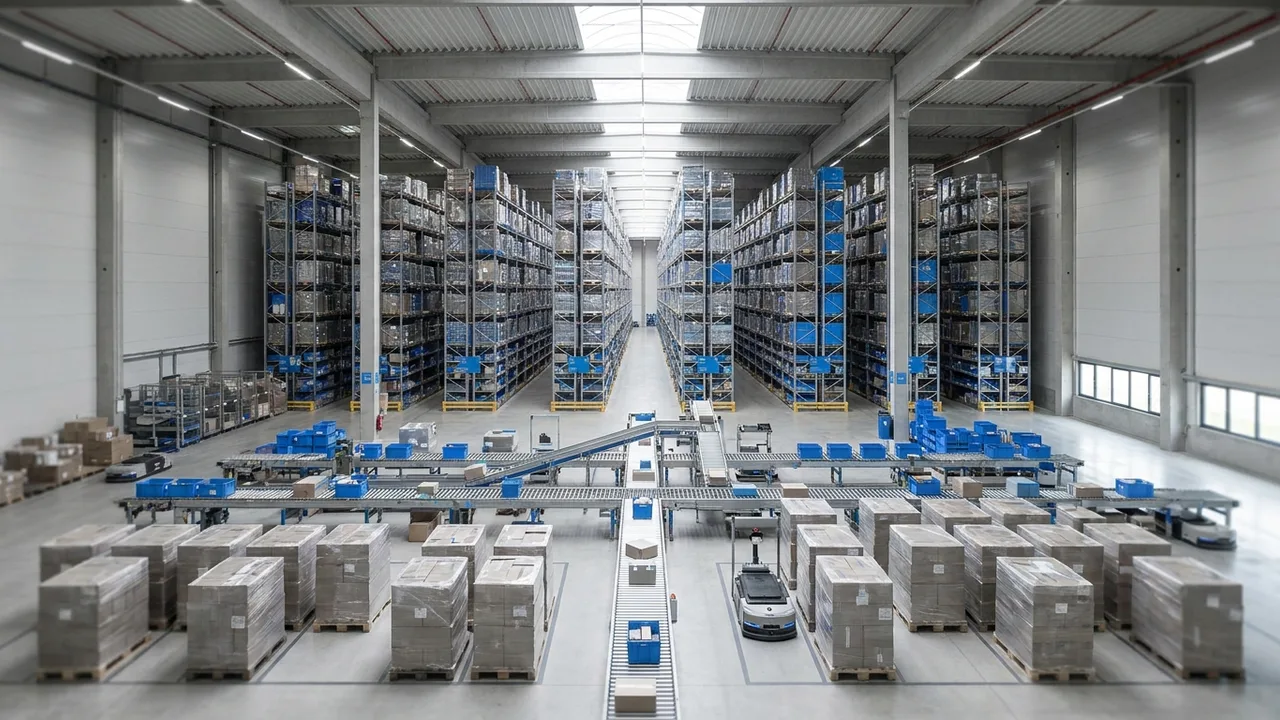
TL;DR: Logistics is the work of moving and storing goods from where they start to where they are needed. It covers three flows: inbound (goods coming in), outbound (goods going out) and reverse (goods coming back). This guide explains what logistics means, how it differs from supply chain, and what a logistics provider actually does, for online sellers and businesses alike.
Everyone uses the word logistics, but few stop to define it. At its simplest, logistics is how a product gets from A to B in the right quantity, at the right time, without costing a fortune along the way. Whether you sell to shoppers online or supply other businesses, the same basic flows apply. This guide is the plain-language starting point, and it links out to deeper reads on each part.
What does logistics actually mean?
Logistics is the planning, coordination and execution of moving and storing goods from the point of origin to the point of use. That covers transport, warehousing, stock management, order preparation and delivery. The goal is simple: get the right goods to the right place at the right time, at the lowest sensible cost. Everything else in this guide is a piece of that one idea.
Inbound, outbound and reverse: the three flows
Logistics splits into three flows. Inbound logistics is the supply side: sourcing, receiving and storing goods coming into your warehouse. Outbound logistics is the demand side: picking, packing, shipping and delivering finished orders to customers. Reverse logistics is the return journey: goods coming back for refunds, repairs or recycling. Most businesses run all three at once, and each has its own guide on this site.
How is logistics different from supply chain?
People use the terms as if they mean the same thing, but they don’t. Supply chain management looks at the whole network of businesses, suppliers and steps that turn raw materials into a delivered product. Logistics is one part of that chain: the flow and storage of goods within it. Put simply, supply chain is the big picture, and logistics is the movement inside it.
What does a logistics provider do?
A logistics provider, often called a third-party logistics company or 3PL, runs these flows for you. That typically means warehousing, inventory management, order picking, packing and shipping, plus handling returns. Instead of building your own warehouse and hiring a team, you send your stock to the provider and they fulfil orders on your behalf. This frees you to focus on selling, whether that is direct to consumers or to trade customers.
Why good logistics matters
Logistics is not just a cost centre, it is where promises are kept or broken. Smooth flows mean orders arrive on time and in good condition, which builds trust and repeat business. Weak flows mean delays, damage and lost customers. The same is true whether you ship one parcel to a shopper or a pallet to a distributor. Getting logistics right is one of the clearest ways to compete.
Logistics, then, is the movement and storage of goods, organised into inbound, outbound and reverse flows, and it sits inside the wider supply chain. Once you can see those pieces, the rest of the field makes sense. To go deeper, explore our guides on warehousing, order preparation and returns, or, if you would rather hand the whole operation to a provider, talk to our team about how we run logistics for e-commerce and B2B businesses.
Frequently Asked Questions
What is logistics in simple terms? Logistics is the work of moving and storing goods from where they start to where they are needed, in the right quantity and at the right time. It covers transport, warehousing, stock management, order preparation and delivery.
What are the three types of logistics flows? Inbound logistics brings goods into your warehouse, outbound logistics sends finished orders to customers, and reverse logistics handles returns. Most businesses run all three at the same time.
What is the difference between logistics and supply chain? Supply chain is the whole network that turns raw materials into a delivered product. Logistics is one part of it: the flow and storage of goods within that chain. Supply chain is the big picture, logistics is the movement inside it.
What does a logistics provider do? A logistics provider, or 3PL, runs warehousing, inventory management, picking, packing, shipping and returns on your behalf. You send your stock to their warehouse and they fulfil your orders, so you can focus on selling.
Why is logistics important for a business? Good logistics means orders arrive on time and in good condition, which builds customer trust and repeat business. Poor logistics causes delays, damage and lost sales, whether you ship to shoppers or to other businesses.