

Reverse Logistics: Turning Returns Into an Advantage
Reverse logistics is more than processing returns. Learn how e-commerce brands and businesses recover value, cut costs, and turn returns into an advantage.
By The Juvo team — 8 July 2026
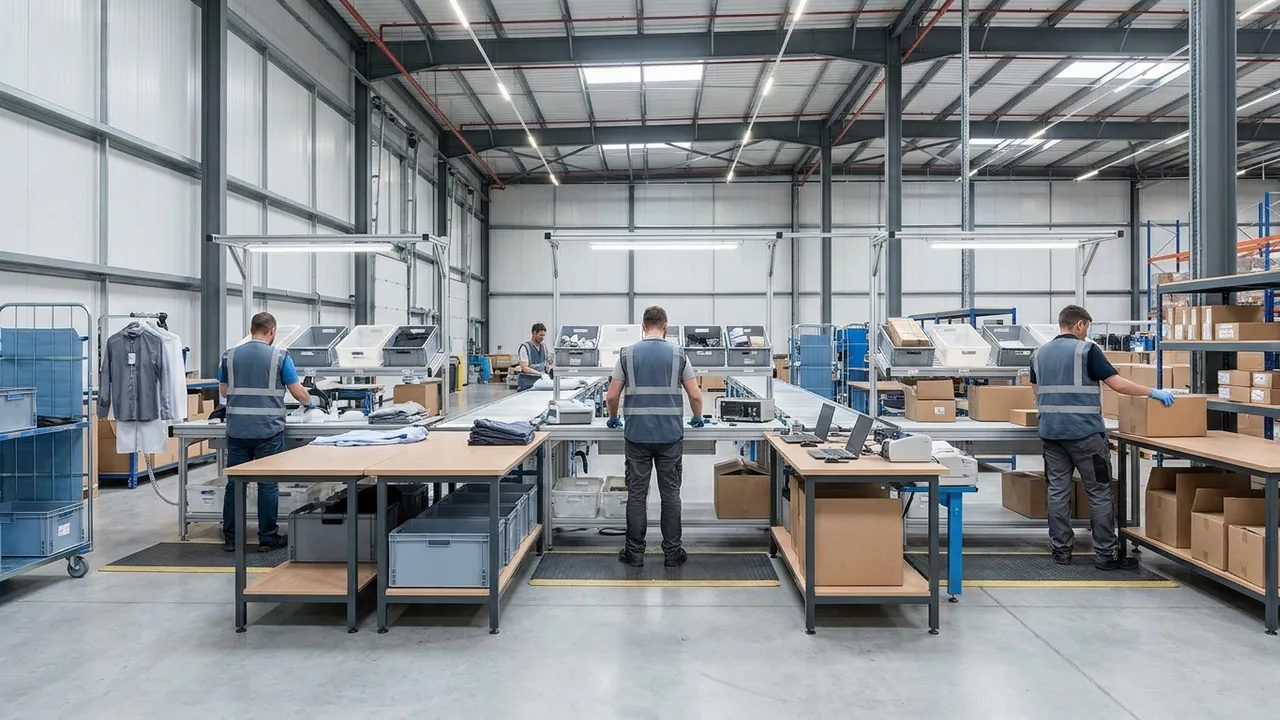
TL;DR: Reverse logistics is the flow of goods moving backward through your supply chain, from returns to surplus stock to end-of-life products. Treated well, it recovers real value instead of just absorbing a cost. This guide explains what reverse logistics entails, why it matters more for high-SKU and B2B operations than most businesses realise, and how a 3PL can turn it into a genuine advantage rather than a drain.
Most businesses think of returns as money walking out the door. Reverse logistics reframes that thinking. It is the set of processes that bring goods back through your supply chain, whether from a returned online order, surplus stock, or a product reaching the end of its life, and it treats every one of those flows as a chance to recover value rather than write it off. For e-commerce brands and traditional businesses alike, the operations that manage this well turn a cost centre into a source of savings and resilience.
What Is Reverse Logistics?
Reverse logistics is the movement of products backward through the supply chain, from the customer or the shop floor back to the business, along with everything that happens to them next. It covers returns, surplus inventory, repairs, refurbishment, resale, and recycling, and it applies whether the goods came from a single online order or a bulk shipment to a distributor.
The term matters because it separates the physical flow from the decision-making. Getting a parcel back to a warehouse is only step one. What happens after- inspection, sorting, and disposition- is where the real value is won or lost.
Why Does Reverse Logistics Matter More Than Most Businesses Realise?
Reverse logistics matters because badly managed reverse flows quietly bleed money through storage costs, damaged packaging, and write-downs, while well-managed ones recover it. Companies that treat the reverse process with the same discipline as forward logistics recover between 30% and 70% of a returned item’s value rather than letting it sit in a corner of the warehouse.
This is not only an e-commerce story. B2B returns tend to involve larger quantities and more specialised or customised goods than consumer returns, which makes disciplined reverse logistics even more valuable for wholesalers and distributors than for a typical online shop.
What Happens to a Product Once It Comes Back?
A returned or surplus product follows a decision chain rather than a single step. It is received, sorted by condition, and evaluated for reuse, refurbishment, resale, or recycling, with each option depending on why it came back in the first place.
The reason code shapes everything downstream. A product returned for overstocking is a very different case from one damaged in transit or flagged under warranty, and treating each case with the right process, rather than one generic path, is what separates recovered value from a written-off loss. This kind of disciplined, unit-level sorting matters even more for high-SKU catalogues, where thousands of unique references pass through the same warehouse, and a mix-up costs real money.
How Does Reverse Logistics Recover Value?
Reverse logistics recovers value through three main channels: resale of items in good condition, refurbishment of items that need work before resale, and material recovery of items that cannot be resold. Each channel captures value that would otherwise be lost.
Businesses aligning their reverse logistics with the circular economy also reduce dependence on new raw materials and lower disposal costs, which matters as sourcing costs rise. For a distributor managing bulk goods or a brand managing a deep technical catalogue, that recovery channel can offset a meaningful share of the total cost of returns. Reliable storage and stock management make recovered stock easy to track and put back into circulation.
Why Do High-SKU and Technical Catalogues Need Extra Care?
High-SKU and technical catalogues need extra care because a single misidentified part or product can cause a costly error, and unit-level accuracy at scale is genuinely hard to maintain without the right systems when a warehouse holds thousands of unique references; generic handling breaks down quickly.
This is where rigorous identification, careful sorting, and unit-level handling earn their keep. The businesses that get this right treat every reference with the same discipline they would apply to their best-selling product, because in a deep catalogue, any one of them might be exactly what a customer or a business partner is waiting for. This is exactly the kind of demand our technical products expertise is built around.
How Does a 3PL Turn Reverse Logistics Into an Advantage?
A 3PL turns reverse logistics into an advantage by running the full reverse flow to clear rules from its own network, so that returned and surplus stock moves quickly rather than sitting idle. That speed is often the difference between recovering value and losing it.
At Juvo, reverse logistics runs through the same connected operation as storage, picking, and dispatch, across our centres in Nouvelle-Aquitaine and Bourgogne. Whether you run a growing e-commerce brand or a distribution business with a demanding catalogue, returned and surplus stock is sorted, tracked, and put back into circulation with full visibility through a single portal. See how it works on our returns management page.
Conclusion
Reverse logistics is not a cost to minimise and forget; it is a flow of value that rewards attention. Build a clear process for what happens to a product once it comes back, invest in the sorting discipline that high-SKU catalogues demand, and treat resale and refurbishment as real recovery channels rather than afterthoughts. If managing that flow in-house is holding your business back, ask us for a quote, and we will show you what a connected operation looks like.
Frequently Asked Questions
What is the difference between returns management and reverse logistics? Returns management usually refers to the customer-facing process of handling a single return. Reverse logistics is the broader term, covering returns as well as surplus stock, repairs, and end-of-life products moving backward through the entire supply chain.
How much value can a business recover from returned goods? Businesses that manage reverse logistics with the same discipline as forward logistics can recover between 30% and 70% of a returned item’s value through resale, refurbishment, or material recovery, rather than writing the item off.
Is reverse logistics different for B2B compared to e-commerce? Yes. B2B reverse logistics often involves larger quantities and more specialised or customised goods, which makes disciplined processes even more valuable, since a mistake affects bigger volumes and more complex products.
Why does a high-SKU catalogue need special handling in reverse logistics? A high-SKU catalogue holds thousands of unique references so that a single misidentified item can be costly. Unit-level accuracy and careful sorting are essential to keep every reference correctly tracked and recoverable.
Can outsourcing reverse logistics actually save money? Yes. A 3PL runs the full reverse flow, sorting and processing returned or surplus stock quickly so it can be resold, refurbished, or recycled rather than sitting idle, which is often where the real cost of poor reverse logistics is hiding.