

What Is the Difference Between a Logistics Platform, Hub, Centre and Base?
Logistics platform, hub, centre, base, warehouse: the words overlap but mean different things. A plain guide to what each site does and when the difference matters.
By The Juvo team — 11 August 2026
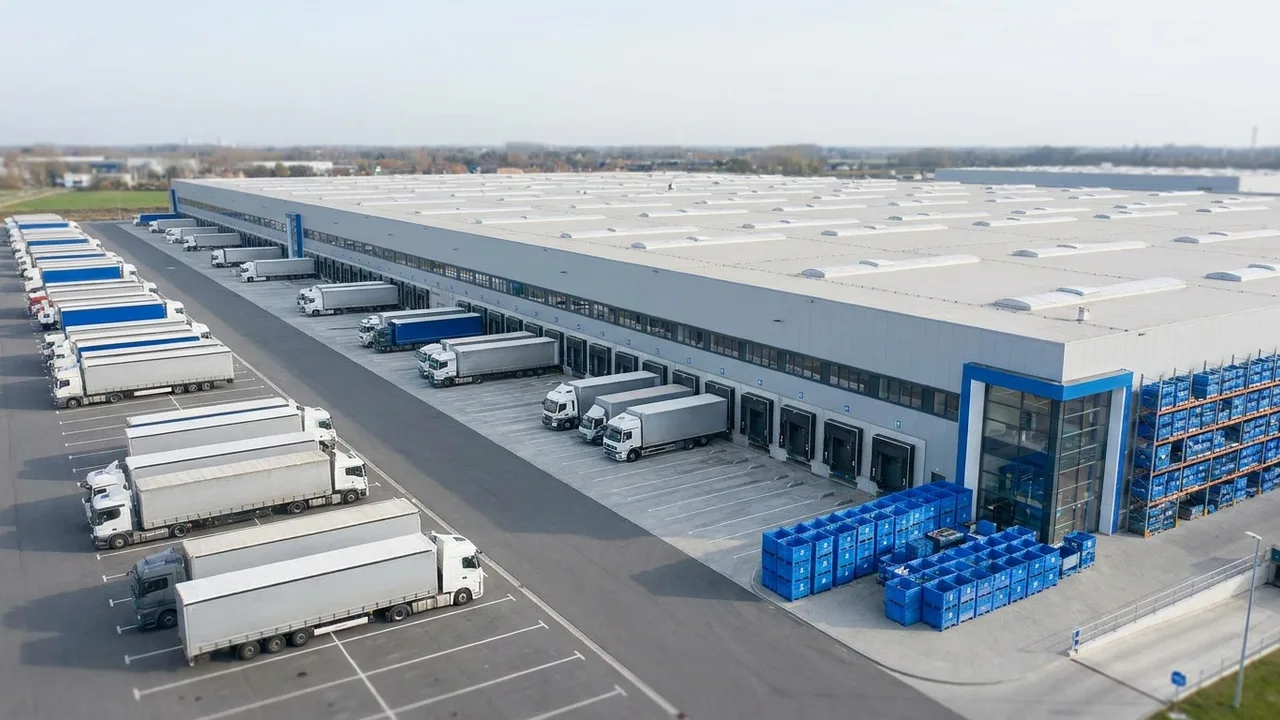
TL;DR: These words overlap, but the useful split is what the site is built to do. A warehouse stores goods. A logistics platform and a hub move goods through quickly. A logistics centre is the broader coordinated site that does both. Base and site are general words for a facility. The difference matters most when you are choosing where your stock should sit.
Warehouse, platform, hub, centre, base: providers use these words loosely, and it is easy to think they all mean the same building. They do not. Knowing which is which helps you read a provider’s setup and pick the arrangement that suits your goods, whether you sell online or supply trade customers across regions.
Why do these words get mixed up?
They get mixed up because the sites really do overlap, and one building can play several roles. As one French logistics guide puts it, the boundaries are porous, so operators use the terms loosely. The clearest way to tell them apart is to ask one question: is this site built to hold goods still, or to keep them moving?
What is a warehouse, and how is a logistics platform different?
A warehouse (entrepôt) is first and foremost a place to store goods, where stock can sit for days, weeks or months until demand calls for it. A logistics platform is the broader idea: any site set up to manage logistics flows, whether that means storage, order preparation or fast transit. In practice a platform leans towards movement, receiving, sorting, grouping and dispatching goods quickly rather than holding them long term. One note of caution: “platform” is also used for the digital system that connects your stock, orders and carriers, which is a different thing entirely, covered in its own guide.
What is a logistics hub?
A logistics hub is a central point where goods from many sources arrive, are sorted and grouped, then sent back out to their final destinations. The word borrows from the English for the centre of a wheel, and the image fits: a hub is the middle of a hub-and-spoke network, the node the flows radiate from. Its job is speed and consolidation, not long storage. Online sellers use hubs to split stock closer to customers, holding part of the range near the places it ships to.
What do “centre”, “base” and “site logistique” mean?
A logistics centre (centre logistique) is the broader, coordinated operation: a site where reception, storage, order preparation and dispatch are run together as one flow. It is often chosen for speed, by businesses that need to turn orders around fast rather than simply park stock. “Base logistique” and “site logistique” are looser, general terms for a logistics facility or location, without a fixed technical meaning. When a provider uses them, it is worth asking what the site actually does day to day.
Can one site be both a warehouse and a platform?
Yes, and many are. Plenty of sites run a storage side and a flow side under one roof, holding stock for some clients while moving other goods straight through. French logistics operators describe exactly this mix, a warehouse area alongside a platform area, so the same location can serve businesses with very different needs. This is why the label on the building tells you less than the work inside it. A site called a centre may lean heavily on storage, while one called a platform may still hold a buffer of your stock. Ask how your goods will actually be handled, not just what the site is named.
When does the difference actually matter?
The words matter most when you are deciding where your stock should sit and how fast it must move. If you sell online and promise next-day delivery, you want a centre or platform set up for quick order preparation and dispatch, ideally close to your customers. If you supply trade customers or move goods across regions in bulk, a hub that consolidates and redistributes may serve you better. The label is less important than the fit: match the site’s real job to how your orders behave.
How to read a provider’s setup
When you talk to a logistics partner, look past the word on the sign and ask what happens to your goods inside. Where are they stored, how fast are they picked, and how are they dispatched? Juvo runs a French warehouse network built to store your stock and prepare and ship your orders, for online sellers and businesses alike, with real-time stock visibility through a single digital platform. That combination, physical storage plus fast order preparation, is what most sellers actually need, whatever the site is called.
Not sure which setup fits your goods? Talk to Juvo about storage, order preparation and dispatch for your catalogue.
Frequently asked questions
What is the difference between a warehouse and a logistics platform? A warehouse is built to store goods, which can sit for weeks or months. A logistics platform is set up to move goods through quickly, receiving, sorting and dispatching them, with far less long-term storage.
What is a logistics centre? A logistics centre is a coordinated site that runs reception, storage, order preparation and dispatch together as one flow. It is often chosen by businesses that need to turn orders around quickly rather than simply hold stock.
What is a logistics hub? A logistics hub is a central node in a hub-and-spoke network. Goods from many sources are received, sorted and grouped there, then redistributed to their final destinations. Its focus is fast transit and consolidation, not storage.
Are “base logistique” and “site logistique” technical terms? No. They are general words for a logistics facility or location, with no fixed technical meaning. When a provider uses them, ask what the site actually does: store, prepare orders, or move goods through.
Which type of site do I need for my business? It depends on how your orders behave. Fast online orders suit a centre or platform close to customers; bulk distribution across regions often suits a hub. Match the site’s real job to your delivery promises rather than to its label.