

How to Manage E-commerce Returns: A Complete Guide
A practical guide to managing e-commerce returns: the process step by step, what returns really cost, how to reduce them, and when to outsource to a 3PL.
By The Juvo team — 28 May 2026
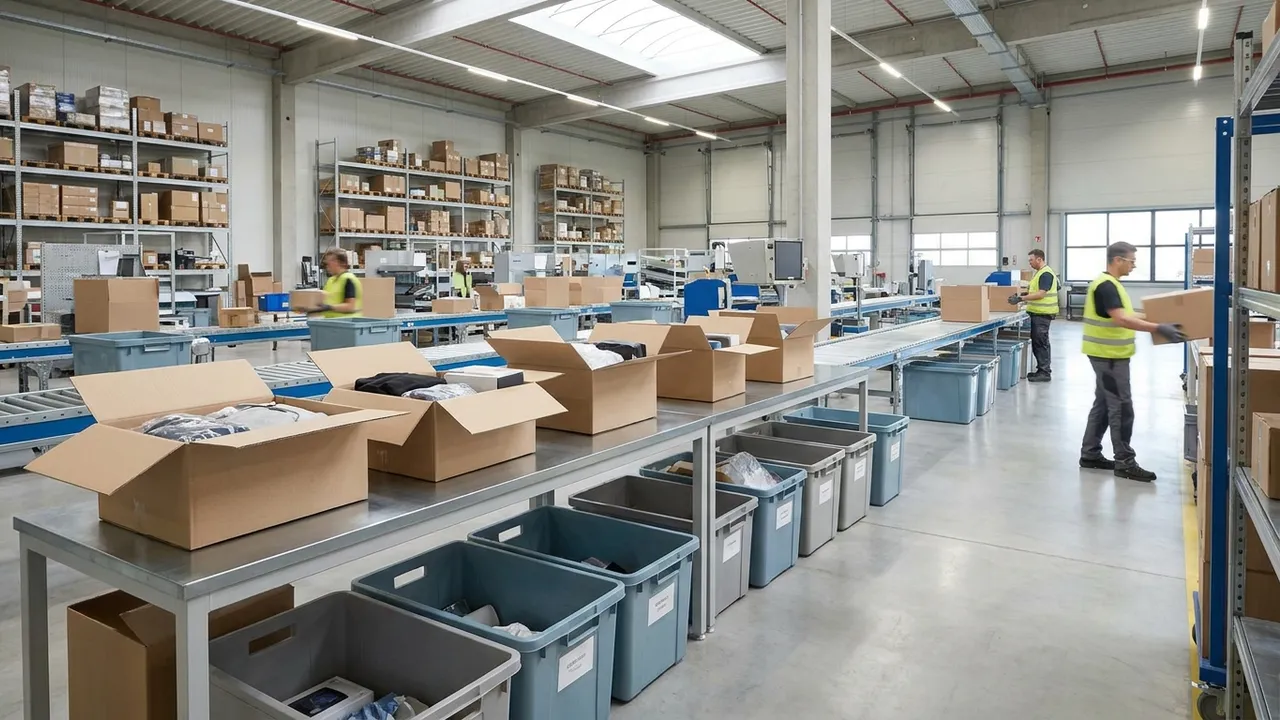
TL;DR: Returns are a normal part of selling online, but poor returns management quietly eats away at your margins and your customer trust. This guide walks through what returns management involves, the step-by-step process, what returns really cost, and how to reduce them without punishing buyers. If returns are slowing you down, a 3PL partner can take the whole flow off your plate.
Around one in five online orders comes back. That single fact makes returns management one of the most important parts of running an e-commerce brand or a distribution business. Recent industry data puts the average e-commerce return rate at around 19%, and in parts of Europe, it climbs much higher. Handled well, returns build loyalty and recover sellable stock. Handled badly, they drain cash, clog your warehouse, and send customers to a competitor. The good news: returns are a process, and any process can be measured, improved, and handed off.
What does e-commerce returns management involve?
E-commerce returns management is the end-to-end process of handling a product after a customer returns it: receiving it, checking its condition, deciding what to do next, and issuing a refund or exchange. It covers both the physical flow (the parcel moving back to your warehouse) and the information flow (tracking, refunds, and stock updates). Done properly, it is a system, not a scramble.
For e-commerce brands and traditional businesses alike, the aim is the same: returns processed quickly, stock back on the shelf fast, and customers kept in the loop. The difference between a smooth operation and a leaky one is whether that flow is planned or improvised.
Why do returns matter more than most brands realise?
Returns matter because they sit at the exact point where cost and customer loyalty meet. A slow, confusing return can cost you a customer for life, while a fast, fair one often earns a repeat buyer. At the same time, every return incurs real handling costs that affect your margin, whether or not you notice them.
The loyalty side is well documented. A large majority of shoppers now say easy, free returns shape where they choose to buy. Get the experience right, and you turn a disappointed buyer into a returning one; get it wrong, and you lose the sale and the relationship. Returns are not just a warehouse task; they are part of your brand.
The returns process, step by step
A clean returns operation follows the same five stages every time, whether you ship ten parcels a day or ten thousand.
First comes receipt: the returned parcel arrives and is logged against the original order. Next is inspection, where staff checks the product’s condition against clear rules. Then sorting determines the product’s fate: back into sellable stock, sent for refurbishment, or routed for recycling. Restocking puts good items back into inventory quickly so they can be sold again before they lose value. Finally, the refund or exchange is issued, and the customer is told.
The businesses that win at returns treat each stage as trackable: every parcel has a status, every decision is recorded, and nothing sits waiting. This is the kind of high-volume, unit-level handling that a well-run preparation and dispatch operation is built for.
How much do returns really cost?
Returns cost far more than the refund itself. Each one carries return shipping, inspection labour, repackaging, and restocking, and a share of items come back damaged or unsellable. Industry analysts estimate the processing cost alone at roughly the price of a small order before you even count write-offs.
Those costs add up fast at scale. This is why so many businesses build returns into their pricing from day one, and why a growing share bring in a logistics partner during peak periods. The point is not to fear returns, but to know their true cost and manage them like any other line on the balance sheet.
How do you reduce returns without punishing customers?
You reduce returns by fixing their root causes, not by making returns harder to process. Most returns are avoidable. Sizing, fit, and colour issues drive close to half of all retail returns, and inaccurate descriptions and shipping damage account for much of the rest.
That points to clear fixes. Give buyers accurate photos, honest descriptions, and detailed sizing guidance so the product matches expectation. Protect items with proper packaging and careful picking, since damage in transit is a return you caused yourself. Then read your return data: if one product comes back repeatedly, the listing or supplier is usually the problem. Reliable storage and stock management make that data easy to see and act on.
How a 3PL takes returns off your plate
A 3PL, or third-party logistics provider, runs your returns for you: receiving, inspecting, sorting, restocking, and reporting, all from its own warehouses. For e-commerce brands and businesses that would rather focus on selling than on sorting parcels, outsourcing returns turns an unpredictable cost into a steady, managed service.
At Juvo, returns are part of the same connected operation that handles your storage, picking, and dispatch, across our centres in Nouvelle-Aquitaine and Bourgogne. You get returns processed to clear rules, stock back in circulation quickly, and full visibility from one portal. Whether you sell to consumers or supply other businesses, the flow scales with you. See how it works on our returns management page.
Conclusion
Returns are not going away, so the brands and businesses that thrive manage them on purpose. Build the five-stage process, track every parcel, and fix the root causes of product returns. Treat returns as part of the customer experience, because a good return often earns the next order. If handling all of that in-house is holding you back, ask us for a quote, and we will take the returns flow off your plate.
Frequently Asked Questions
What is a good return rate for an online store? There is no single ideal figure, because return rates depend heavily on what you sell. The average for e-commerce sits near 19%, but apparel runs far higher than electronics or beauty. Compare your rate to your own category and history, rather than to a cross-category average.
What is reverse logistics? Reverse logistics is the movement of goods back from the customer to the seller, along with everything that happens next: inspection, sorting, restocking, refurbishment, or recycling. It is the returns process viewed as a supply chain running in the opposite direction to a normal order.
Should I offer free returns? Free returns tend to lift sales and loyalty, since many shoppers check the returns policy before they buy. The trade-off is cost, so many businesses offer free returns within conditions, such as a time window or store credit, to balance customer experience against margin.
How can a 3PL help with returns? A 3PL receives, inspects, sorts, and restocks your returns from its own warehouses, then reports the results to you. This removes the labour and space burden from your team, speeds up refunds, and gets sellable stock back into inventory faster.
How do I reduce e-commerce returns? Focus on the causes: accurate sizing guides, honest product descriptions and photos, and careful packaging to prevent transit damage. Then use your return data to spot problem products and fix the listing or the source, rather than making the returns process harder for customers.