

How E-commerce Logistics Pricing Works: What You're Actually Paying For
A clear breakdown of e-commerce logistics pricing: the fee categories a 3PL quote should cover and how to compare providers accurately.
By The Juvo team — 20 May 2026
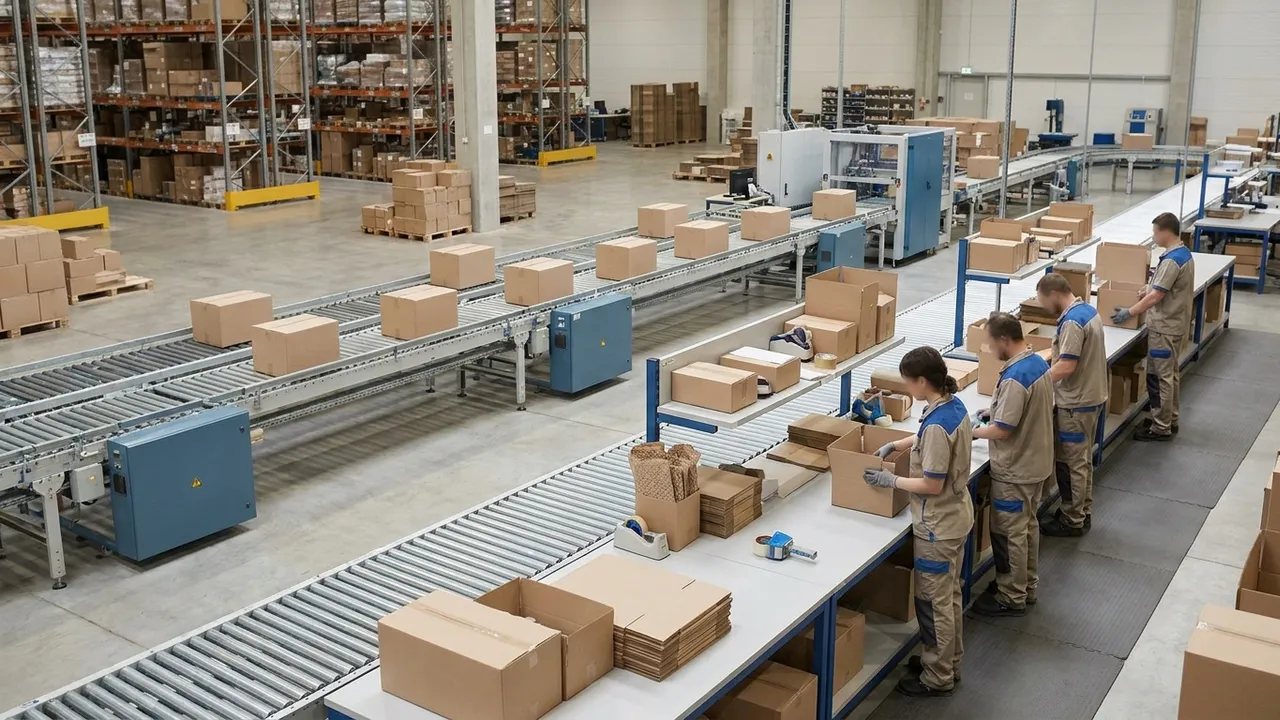
TL;DR: E-commerce logistics pricing isn’t one number, it’s several fee categories stacked together: receiving, storage, pick and pack, shipping, and returns. Understanding what each covers is what lets you compare two quotes fairly, rather than choosing on a single headline figure that hides a very different total cost.
Asking “what does e-commerce logistics cost?” is a bit like asking what a house costs. The honest answer is that it depends on size, location, and what’s included, and the same is true of a 3PL quote. Two providers can look wildly different on paper while charging almost the same once every fee is accounted for, or the reverse. Knowing what actually makes up the bill is what turns a confusing comparison into a fair one.
What Does E-commerce Logistics Pricing Actually Cover?
E-commerce logistics pricing is built from several distinct fee categories rather than a single flat rate: receiving your inventory, storing it, picking and packing each order, shipping it out, and processing any returns. Each category has its own logic and scales differently as your business grows.
This is why a quote that looks simple on the surface can hide real complexity underneath. A low headline number on one fee can be offset by a higher number elsewhere, so the only way to compare providers fairly is to look at the full set of categories side by side, not just the one that catches your eye first.
What Do Receiving and Storage Actually Charge For?
Receiving fees cover the labour of unloading your inventory, checking it against what was expected, and putting it away correctly, while storage fees cover the ongoing cost of the space your stock occupies. Receiving is typically a one-off cost per shipment; storage is billed on a recurring basis, usually monthly.
How storage is priced varies by provider: some charge per pallet, others per bin or per cubic metre, and some scale the rate depending on how long stock sits before it moves. A catalogue with fast-turning stock costs less to store than one where items sit for months, so this is one of the categories most worth asking about directly rather than assuming.
What Does Pick and Pack Actually Include?
Pick and pack is the direct labour of fulfilling an order: selecting the right item from storage, packing it correctly, and preparing it for the carrier. It is usually priced as a base fee for the first item, plus a smaller additional fee for each extra item in the same order.
This is often the fee people focus on most when comparing quotes, but it rarely tells the whole story on its own. A simple, single-item order costs far less to pick and pack than a multi-line order requiring special packaging or fragile handling, so the right comparison looks at your actual order profile, not a generic average.
Where Does Shipping Fit Into the Total Cost?
Shipping is usually the largest single component of the total cost per order, since it depends on carrier rates, parcel weight, destination, and delivery speed rather than anything the 3PL directly controls. A provider with strong carrier relationships can often negotiate better rates than a smaller business could on its own, which is part of the value of outsourcing in the first place.
Ask specifically whether shipping is billed at cost, with a margin added, or bundled into a flat per-order rate, since this single detail changes how predictable your invoice will be from one month to the next. Reliable preparation and dispatch work is what keeps this part of the cost consistent rather than creeping upward as volume grows.
Why Does Returns Handling Belong in the Pricing Conversation?
Returns handling deserves its own line in any serious pricing conversation, since it involves inspection, restocking, and sometimes disposal, all of which take real labour regardless of whether the return leads to a refund. A quote that omits returns pricing entirely, or buries it in a vague “additional fees may apply” clause, is one worth questioning directly.
Since return rates vary widely by product category, it’s worth asking a prospective provider how their returns management is priced specifically, rather than assuming it’s folded into the standard pick and pack rate.
How Should You Actually Compare Two Quotes?
The only fair way to compare two logistics quotes is to build both out across the same categories using your own real order profile, not a generic industry average. Ask each provider for their receiving, storage, pick and pack, shipping, and returns pricing separately, then apply your own monthly volume and SKU count to each one.
For a growing e-commerce brand or a distribution business managing a demanding catalogue, this is exactly the kind of side-by-side comparison worth doing before signing anything. If you’d like a transparent, itemised quote built around your actual catalogue and order volume, ask us for one.
Conclusion
E-commerce logistics pricing only makes sense once you break it into its real components: receiving, storage, pick and pack, shipping, and returns. Comparing two providers on a single headline figure invites surprises later; comparing them category by category, against your own order profile, is what actually protects your margin.
Frequently Asked Questions
Why do two 3PL quotes for the same business look so different? Because providers structure their fees differently across receiving, storage, pick and pack, shipping, and returns. A low fee in one category is often offset by a higher fee elsewhere, so quotes only compare fairly once every category is broken out separately.
What is usually the biggest cost component in e-commerce logistics? Shipping is typically the largest single component of the total cost per order, since it depends on carrier rates, parcel weight, and delivery speed rather than the warehouse operation itself.
Should returns be priced separately from pick and pack? Ideally yes. Returns involve inspection, restocking, and sometimes disposal, all of which take separate labour from fulfilling an order. A quote that doesn’t clearly price returns is worth questioning before signing.
How is storage usually priced? Storage is typically billed on a recurring basis, priced per pallet, per bin, or per cubic metre depending on the provider, and can scale up if stock sits unmoved for a long period.
What information should I give a 3PL to get an accurate quote? Provide your monthly order volume, average items per order, SKU count, and any special handling needs. Accurate quotes depend on real numbers, not rough estimates, since every fee category scales with your actual order profile.